As Greece faces another devastating wildfire season, authorities are relying on a multi-layered wildfire prevention and response strategy that combines forest management, aerial firefighting and improved infrastructure to limit the impact of large-scale fires.
The strategy is built around the AntiNERO programme, the deployment of heavy-lift Erickson Air Crane helicopters, and an expanding network of water reservoirs designed to improve the speed and effectiveness of firefighting operations.
AntiNERO: Prevention Before Fire Strikes
Launched to reduce wildfire risk, the AntiNERO programme focuses on preventive measures rather than emergency response alone.
Its projects include clearing dry vegetation, thinning forests, creating firebreaks, maintaining forest roads and improving access for firefighting vehicles. By reducing the amount of combustible material, officials aim to slow the spread of wildfires before they become uncontrollable.
Erickson Air Cranes on the Front Line
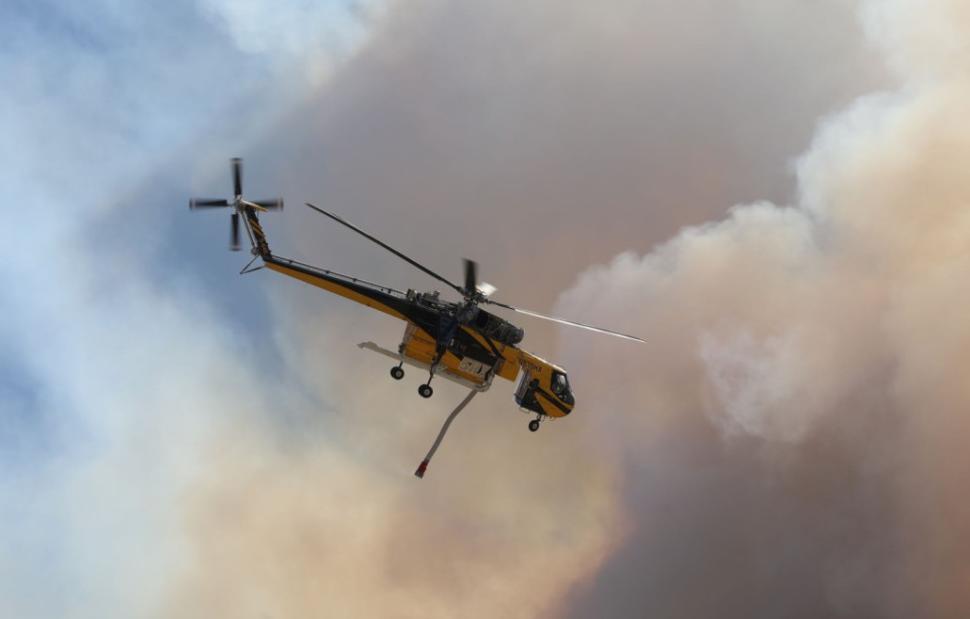
Among the most effective tools in Greece's aerial firefighting fleet are the Erickson S-64 Air Crane helicopters, capable of carrying thousands of litres of water in a single drop.
Designed specifically for wildfire suppression, the aircraft can refill from lakes, reservoirs or directly from the sea using a snorkel system, allowing them to return to the fire within minutes. Their ability to operate in mountainous terrain and near populated areas makes them particularly valuable during fast-moving wildfires.
Water Reservoirs Make a Critical Difference
Artificial water reservoirs positioned near forests and high-risk areas have become another key element of Greece's wildfire strategy.
By shortening the distance aircraft must travel to refill, the reservoirs significantly increase the number of water drops that can be carried out during the crucial early stages of a fire. They also provide an important water source for ground firefighting units operating in remote locations.
Faster Response, Better Coordination
Civil Protection authorities say that combining forest prevention projects, aerial resources and improved water infrastructure allows firefighters to respond more quickly and attack fires before they develop into large-scale disasters.
This integrated approach is supported by expanded aerial fleets, improved coordination between agencies and additional European resources deployed through the EU Civil Protection Mechanism during periods of extreme fire danger.
Wildfires Remain a Growing Challenge
Despite significant investment in prevention and firefighting capabilities, officials acknowledge that climate change, prolonged drought and increasingly frequent heatwaves continue to make each wildfire season more demanding.
Recent fires in western Attica, including the deadly helicopter collision during firefighting operations, have highlighted both the progress made in wildfire response and the extraordinary risks faced by emergency crews protecting lives, homes and forests.
Two Firefighting Helicopters Collide Over Psatha Wildfire, Killing Two Crew Members
Wildfire Breaks Out on Mount Poikilo Near Aigaleo Ring Road
Ακολουθήστε το Lykavitos.gr στο Google News
και μάθετε πρώτοι όλες τις ειδήσεις