Greek health authorities are on heightened alert over the West Nile virus, warning that the country could be heading into one of the most challenging transmission periods of recent years.
Greece is once again among the European countries seeing significant West Nile virus activity, with the National Public Health Organization (EODY) closely monitoring the spread of infections as the summer mosquito season reaches its most critical stage.
Health experts are particularly concerned about the coming weeks, as West Nile cases in Greece have historically tended to peak between mid-August and early September.
“The Hardest Part Is Still Ahead”
EODY officials have warned that the epidemiological picture could worsen before the end of the summer.
The virus has already shown particularly strong circulation in Attica, where infections were recorded earlier than usual this season and cases increased rapidly during July.
By July 29, Greece had recorded 42 locally acquired cases, including 35 in Attica, five in Thessaly and two in Central Macedonia.
Cases in Attica had been identified across several areas, including East Attica, the northern, southern and central sectors of Athens, and West Attica.
The latest epidemiological data are being monitored closely, with EODY publishing weekly surveillance reports as the transmission season continues.
How West Nile Virus Spreads
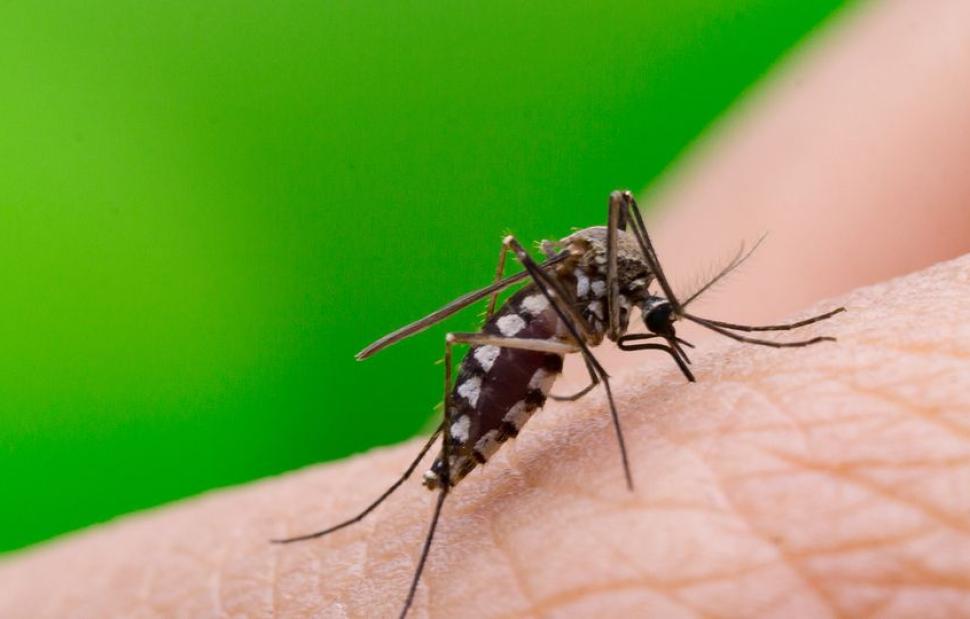
West Nile virus is transmitted mainly through the bite of an infected mosquito.
Mosquitoes become infected after feeding on infected birds, which are the virus’ main natural reservoir. Humans and other mammals can subsequently become infected through mosquito bites.
The virus is not normally transmitted directly from person to person through ordinary social contact.
Most people who become infected do not develop symptoms. Those who do may experience fever, headache, fatigue, muscle aches and, in some cases, a skin rash.
A small proportion of patients, however, can develop serious neurological complications, including encephalitis or meningitis.
Older adults and people with underlying health conditions face a higher risk of severe illness.
EODY Urges the Public to Take Precautions
With mosquito activity remaining high, health authorities are urging people not to underestimate the risk.
Recommended precautions include using insect repellent, wearing long sleeves and trousers where possible, installing mosquito screens on windows and doors, and removing standing water from balconies, gardens and outdoor areas.
Particular attention is advised during the evening and early morning hours, when many mosquito species are most active.
Attica Under Close Surveillance
Attica has emerged as a particular area of concern during the 2026 transmission season.
EODY had already warned at the end of July of intense West Nile virus circulation in the region, calling on residents to consistently protect themselves against mosquito bites.
The first confirmed case of the 2026 season was reported in July and involved a person over the age of 60 who developed meningoencephalitis. The most likely place of exposure was identified as Agia Paraskevi in northern Athens.
With August traditionally one of the most active months for West Nile virus transmission, health authorities are maintaining increased surveillance and warning that the epidemiological situation could remain challenging well into September.
Tinos, the “Capital” of August 15: The Virgin Mary, Sacred Vows and Two Centuries of History
Dendias Marks 52 Years Since Second Phase of Turkish Invasion of Cyprus: “We Do Not Forget”
Ακολουθήστε το Lykavitos.gr στο Google News
και μάθετε πρώτοι όλες τις ειδήσεις